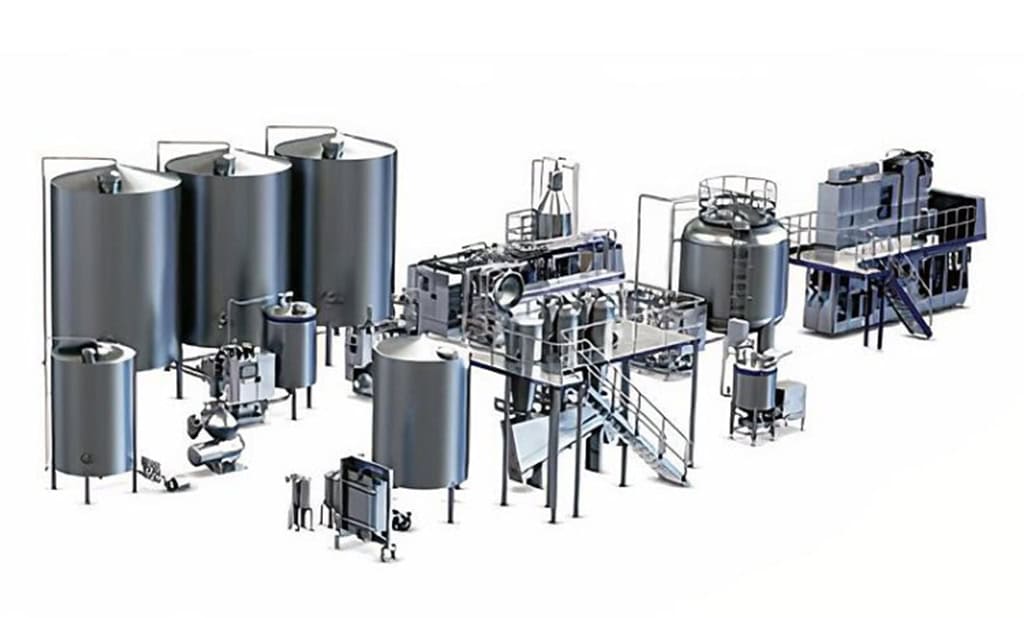
Temperature Control in Commercial Kombucha Brewing
Precision Temperature Management for Consistent, High-Quality Kombucha
The Critical Role of Temperature in Kombucha Production
Temperature control is one of the most crucial factors in commercial kombucha brewing, directly impacting fermentation speed, flavor development, and product consistency. Proper temperature management ensures optimal conditions for SCOBY health and activity.
Why Temperature Control Matters
Kombucha fermentation is highly sensitive to temperature fluctuations. The ideal temperature range for kombucha fermentation is between 20-30°C (68-86°F). Outside this range, various problems can occur:
Too Warm (>30°C/86°F)
- Over-rapid fermentation leading to excessive acidity
- Unbalanced flavor profile with increased vinegar notes
- Yeast dominance causing off-flavors
- Potential for contamination by unwanted microorganisms
Too Cold (<20°C/68°F)
- Slowed or stalled fermentation process
- Incomplete sugar conversion leading to overly sweet product
- Weak SCOBY growth and activity
- Extended production time increasing costs
Temperature Fluctuations
- Inconsistent batch quality and flavor profile
- Stress on SCOBY affecting long-term health
- Difficulty in predicting fermentation completion
- Variable carbonation levels in finished product
Temperature Control Solutions
Cooling Systems
Commercial cooling systems typically consist of a glycol reservoir, chiller unit, circulation pumps, heat exchangers, piping, and control systems. These systems provide precise temperature control for various stages of kombucha production.
Tea Wort Cooling
Plate heat exchangers rapidly cool freshly brewed tea to the ideal fermentation temperature (20-30°C) before transferring to first-stage fermentation vessels.
Open Fermenter Cooling
Jackets on the sides and bottoms of open fermentation tanks provide cooling during summer months or in warm climates to maintain optimal temperatures.
Secondary Fermentation Cooling
Sealed secondary fermentation tanks feature cooling jackets to control temperature during the flavor development and carbonation phase.
Heating Systems
Heating systems comprise heating elements (optional boiler), warm water tank, hot water tank, piping, and control systems. These ensure optimal temperatures are maintained during cooler periods.
Brew Water Heating
Heats water to the ideal temperature (75-85°C) for tea extraction, ensuring optimal flavor extraction without scalding the tea leaves.
Fermentation Tank Heating
During winter months, warm water circulated through tank jackets maintains ideal fermentation temperatures when ambient conditions are too cold.
Smart Temperature Control System
Modern kombucha brewing utilizes intelligent temperature control systems that integrate both cooling and heating functions, automatically selecting the optimal temperature strategy based on environmental conditions.
Adaptive Control
Automatically adjusts cooling/heating power based on ambient temperature and fermentation stage, maintaining precision within ±0.5°C.
Data Logging
Continuously records temperature data for quality control and process optimization, enabling brewers to analyze and refine their processes.
Remote Monitoring
Allows brewers to monitor and adjust temperature settings remotely via smartphone or computer, providing flexibility and immediate response capability.
Alert System
Automatically sends alerts when temperatures deviate from set parameters, preventing batch loss and ensuring consistent product quality.
Cooling vs. Insulation Systems Comparison
| Feature | Active Cooling Systems | Passive Insulation |
|---|---|---|
| Temperature Control | Precise active control (±0.5°C) | Limited, depends on ambient conditions |
| Energy Consumption | Higher (active components) | Minimal (passive only) |
| Initial Investment | Higher (equipment costs) | Lower (materials only) |
| Operating Costs | Higher (energy maintenance) | Negligible |
| Effectiveness in Extreme Conditions | Excellent (maintains set temperature) | Limited (follows ambient trends) |
| Best Application | Commercial production, year-round brewing | Small-scale, seasonal brewing |
| Consistency | High (controlled environment) | Variable (depends on external factors) |
Need Upgrade Kombucha Equipment?
We Can Help.