
Taking the 1000L direct-fire heating system as an example, in the journey of craft beer brewing, every link embodies the ingenuity of the process and the precise coordination of equipment. From raw material pretreatment to mashing, lautering, and boiling, these preliminary steps lay a solid foundation for the subsequent fermentation stage. This article will introduce you to the core equipment and operating processes of the preliminary beer brewing steps, and take you through the pre-processes for the birth of a high-quality beer.
Part 1: Raw Material Handling System: Malt Mill
Basic Equipment Information:
Installation Location: Usually installed in the raw material warehouse or a dedicated milling room, providing stable raw material handling support for the first step of brewing.
Processing Capacity: It can process 500 kg of malt per hour, and the actual operating time will be flexibly adjusted according to the batch size in the recipe.
Core Function: Crush the malt into uniform, easily soluble raw materials, providing a good foundation for the enzymatic reaction in the mashing stage, ensuring that the subsequent processes can fully extract the sugar and flavor substances from the malt.

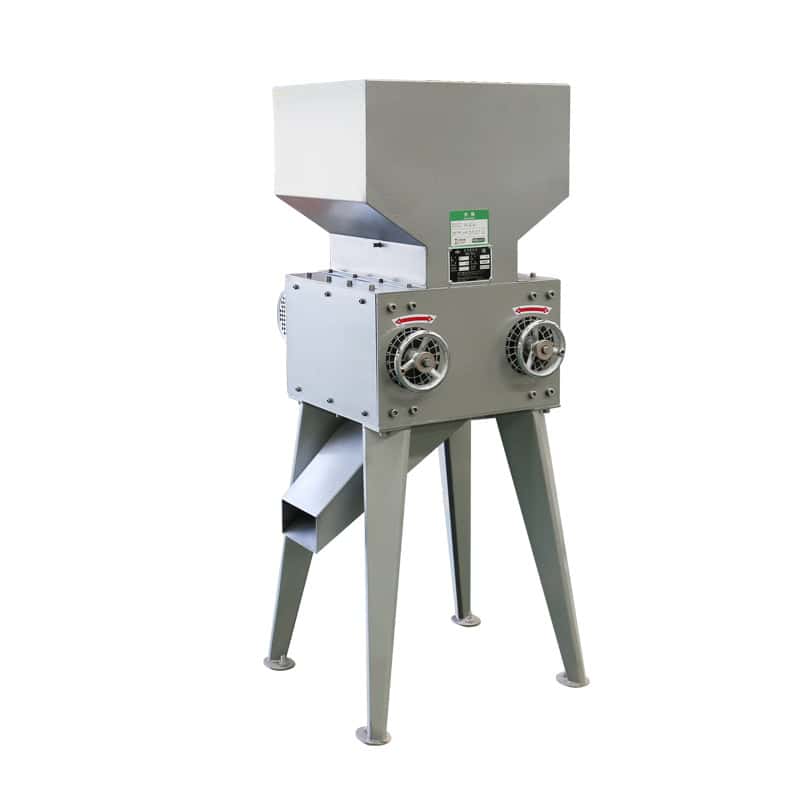
Stainless Steel Malt Mill
Carbon Steel Malt Mill
Part 2: 1000L Direct-Fire Heated Mashing System: Mash/Kettle/Whirlpool Tun and Lauter Tun
Both types of tanks are equipped with temperature probes, CIP spray balls and full glass manways, with 25%-30% headspace reserved at the top of the tanks to effectively prevent overflow during the brewing process.
1. Functions of General Components:
1). Temperature Probe: Monitors the internal temperature of the tank in real time and displays it synchronously on the temperature display of the control cabinet, allowing operators to keep abreast of the temperature status in the tank for precise operation and monitoring.
2). CIP Spray Ball: Achieves 360-degree dead-angle-free spray cleaning inside the tank, thoroughly removing residual raw materials and impurities in the tank, ensuring equipment hygiene and avoiding cross-contamination.
3). Manway: Allows operators to directly observe the material status and feeding process in the tank, and intervene in a timely manner when abnormalities occur.
4). Wort Collection Ring: Efficiently collects the filtered wort, reducing wort loss and improving raw material utilization.
5). Working Platform: Provides operators with an operating space to observe the Mash/Kettle/Whirlpool Tun and Lauter Tun, facilitating operations such as feeding and sampling.
6). Mixing Station: Mixes brewing water with hot water to the target temperature before pumping the brewing water into the mash tun, ensuring that the mashing reaction can start under appropriate temperature conditions.

Note: We can flexibly equip different specifications of raw material hoppers or various types of malt conveying systems according to your on-site production needs, such as:
~ Screw conveying systems suitable for small-batch production
~ Pneumatic conveying systems suitable for large-scale feeding
The raw material hopper can realize temporary storage and quantitative feeding of malt, reducing the labor intensity of manual feeding, while avoiding raw material dust and loss. Different conveying systems can match your workshop layout and production scale, further improving the feeding efficiency and automation level in the early stage of brewing. If you have relevant customized needs, our technical team can connect with you to provide suitable solutions.
2. Mash/Kettle/Whirlpool Tun
This tank undertakes the operations of three key brewing stages: mashing, boiling, and whirlpool. Its exclusive functions are as follows:

1). Agitator Function: Ensures that the crushed malt and brewing water are fully mixed, promoting the efficient progress of the mashing reaction, and allowing the starch in the malt to be fully converted into fermentable sugar.
2). Tangential Inlet: Located on the side wall of the tank, it can form a vortex in the tank, helping to concentrate the hot coagulated solids at the center of the tank bottom for subsequent separation and removal.
3). Combustion Chamber and Burner: Automatically adjusts the heating switch according to the temperature set by the control system to meet the heating requirements of different process stages, ensuring that the mashing and boiling processes are precisely temperature-controlled.


3. Lauter Tun

1). Sieve Plate: Forms an effective filtration layer to retain spent grains, and maximizes wort collection through sparging, improving the wort yield.
2). Rakes and Scrapers: Break up the spent grain layer, assist the lautering process, improve the wort extraction efficiency, and allow the residual sugar in the spent grains to be fully washed out.
3). Spiral Nozzles: Spray sparge water over the grain bed to further improve the wort recovery rate and reduce raw material waste.
4). Backflushing Device: Cleans the underside of the sieve plate to avoid sanitary dead zones under the sieve plate and ensure the long-term hygiene and safety of the equipment
5). Working Platform: Provides operators with an operating space to observe the Mash/Kettle/Whirlpool Tun and Lauter Tun, facilitating operations such as feeding and sampling.
6). Spent Grain Rake: Scrapes the spent grains through the outlet door to achieve complete discharge of spent grains, facilitating equipment cleaning and next use.
7). Wort Pump: Used for transferring wort and mash, realizing material transfer between different tanks and ensuring the continuity of the brewing process.
8). Wort Balancing Column: Prevents negative pressure at the bottom of the sieve plate, and can observe the clarity of the wort to help operators judge the filtration effect.


Spent Grain Rake
Wort Pump


Working Platform
Wort Balancing Column
4. Plate Heat Exchanger, Hop Filter and Temperature and Oxygenation Unit
Hop Filter: Filters out hop particles and impurities in the wort before the wort enters the heat exchanger, avoiding impurities from entering subsequent processes and affecting the taste and clarity of the beer.
Plate Heat Exchanger: Used after the whirlpool process to cool the wort to a temperature suitable for yeast addition, preparing for the subsequent fermentation stage.
Temperature and Oxygenation Unit: Monitors the wort temperature and injects an appropriate amount of oxygen into the wort to provide sufficient oxygen for yeast fermentation and ensure that the fermentation process can be fully carried out.


Plate Heat Exchanger and Hop Filter
Temperature and Oxygenation Unit
Part 3: Mashing System Operating Procedure
Mashing Stage:
Start the agitator and add the crushed malt through the manway.
Add mashing water to the mash tun according to the grain-to-water ratio, and perform staged heating to achieve stepwise mashing.
Note: Start the agitator before each temperature increase to ensure that the malt and water are fully mixed, avoiding excessive local temperature affecting the activity of enzymes.
Lautering Stage:
Start the raking arm of the lauter tun. Pump the mash from the bottom of the mash tun into the lauter tun through the wort pump.
After the mash is completely transferred, close the relevant valves and pumps, stir evenly, and then stop the raking arm.
Open the wort recirculation line valve and start the wort pump for recirculation until the filtered wort becomes clear.
Open the brew kettle valve, close the recirculation valve, and let the wort flow into the brew kettle. When the wort level approaches the top of the grain bed, open the sparge water line and start the hot water pump to rinse the grain bed.
Boiling Stage:
Pump the filtered wort into the Mash/Kettle/Whirlpool Tun through the wort pump.
Turn on the tank heater, bring the wort to a boil, and add hops according to the scheduled time plan to give the beer a unique bitterness and aroma.
Whirlpool Stage:
Open the relevant valves, start the wort pump to form a self-circulation loop, and pump the wort into the whirlpool tun.
After all the wort enters the whirlpool tun, close the valves and pumps and let the wort stand.
Open the discharge valve to remove hot trub, preparing the wort for cooling.
After the processes of raw material crushing, mashing, lautering, boiling and whirlpool, the wort has the basic conditions for fermentation. Next, the wort will enter the fermentation stage and complete the magical transformation from wort to beer in the fermentation tank. In the next part, we will introduce you to the core structure, operating process of the fermentation tank, as well as the subsequent control system and CIP cleaning system, and take you through the crucial fermentation and finishing stages in beer brewing.
If you are interested in our beer brewing equipment, welcome to visit our official website for more product details, or contact our professional technical team to get exclusive customized brewing solutions, helping you start a high-quality craft beer brewing journey.


