Kombucha Fermentation Process
Aerobic and Anaerobic Fermentation in Commercial Brewing
Two-Stage Kombucha Fermentation
Commercial kombucha production utilizes a two-stage fermentation process to achieve the perfect balance of acidity, flavor, and carbonation. Understanding both stages is essential for producing high-quality kombucha consistently.
Stage 1: Aerobic Fermentation
In the first stage, yeast and bacteria work symbiotically to convert sweet tea into tangy kombucha. This phase requires oxygen supply to promote SCOBY growth and convert sugars into organic acids.
Tank Material & Design
Constructed with food-grade 304/316 stainless steel for durability and easy cleaning. Wide-opening design maximizes surface area for optimal oxygen dissolution.
Breathable Cover System
Specialized breathable covers (cotton, muslin) allow oxygen exchange while preventing contaminants from entering the fermentation vessel.
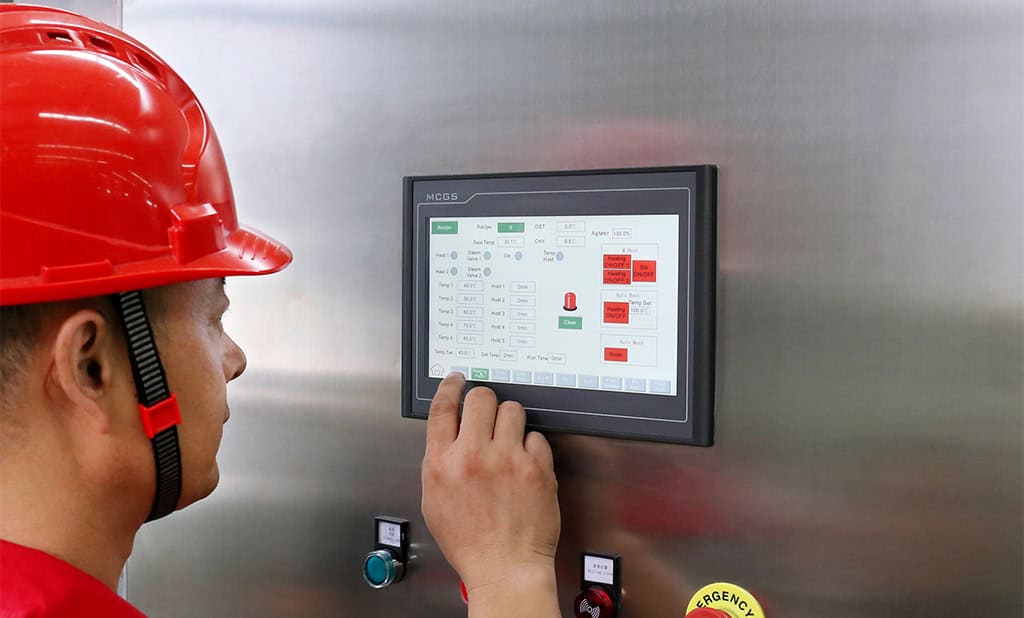
Precise Temperature Control
Advanced heating/cooling systems maintain optimal temperature range (20-30°C) year-round, ensuring consistent fermentation regardless of ambient conditions.
SCOBY-Friendly Design
Wide surface area and optimized depth promote healthy SCOBY growth. Access ports allow monitoring without disrupting the fermentation environment.
Stage 2: Anaerobic Fermentation (Flavoring & Carbonation)
The second stage occurs in sealed containers where anaerobic conditions promote carbonation development and flavor maturation through the addition of fruits, herbs, and other flavorings.
Flavoring-Compatible Design
Specialized vessels designed for easy addition and removal of flavoring agents like fruits, herbs, and spices without compromising the seal integrity.
Pressure-Resistant Sealed Tanks
Heavy-duty construction with secure sealing mechanisms withstands internal pressure buildup from carbonation without risk of rupture.
Pressure Management System
Integrated pressure release valves and monitoring equipment maintain optimal carbonation levels while preventing excessive pressure buildup.
Temperature Control
Precise cooling systems maintain ideal conditions (18-24°C) for slow flavor development and controlled carbonation without over-fermentation.
Comparison of Fermentation Stages
| Feature | Aerobic Fermentation | Anaerobic Fermentation |
|---|---|---|
| Primary Purpose | Convert sweet tea to acidic kombucha | Carbonation and flavor development |
| Oxygen Requirement | High (oxygen-dependent) | None (oxygen-free environment) |
| Duration | 7-14 days | 3-10 days |
| Key Microorganisms | Yeast (ethanol production) & Bacteria (acid production) | Yeast (carbonation) & Residual bacteria (flavor development) |
| Container Type | Open or breathable cover | Sealed, pressure-resistant |
| Byproducts | Organic acids, trace ethanol | CO₂ (carbonation), complex flavor compounds |
Need Upgrade Kombucha Equipment?
We Can Help.