Kombucha Production Process
A comprehensive guide to medium-scale kombucha brewing, from ingredient preparation to bottling and distribution
Introduction to Kombucha Production
Kombucha is a fermented tea beverage produced through the symbiotic fermentation of sweetened tea by a culture of bacteria and yeast (SCOBY). This process results in a slightly sweet, slightly acidic beverage with natural carbonation.
Medium-scale production requires careful attention to sanitation, temperature control, and process timing to ensure consistent quality and flavor profile.
Production Process Steps
Water Heating & Sugar Dissolution
Heat water to 80-90°C and dissolve white sugar completely. The ratio is typically 1kg of sugar per 25L of water.
Tea Steeping
Add black or green tea leaves to the hot sugar solution and steep for 30 minutes. Avoid over-steeping to prevent bitterness.
Tea Filtration & Cooling
Remove tea leaves through filtration and cool the sweet tea to 28-30°C before adding the SCOBY.
Fermentation Vessel Preparation
Sanitize all equipment thoroughly. Transfer cooled sweet tea to fermentation vessels, then add starter liquid and SCOBY culture.
Primary Fermentation
Cover vessel with breathable cloth and secure with rubber band. Ferment at 28-27°C for 7-10 days, monitoring pH regularly.
Flavoring & Secondary Fermentation
After primary fermentation, remove SCOBY and add flavorings (fruits, herbs, spices). Bottle and seal for secondary fermentation (3-5 days) to develop carbonation.
Pasteurization (Optional)
For shelf-stable products, heat to 72°C for 15 seconds to halt fermentation and stabilize the product.
Cooling & Carbonation
Rapidly cool the kombucha to 2-4°C to preserve flavor and carbonation levels before packaging.
Bottling & Packaging
Fill sterilized bottles, applying labels and ensuring airtight seals. Store refrigerated until distribution.
Process Flowchart

Visual representation of the complete kombucha production process from ingredient preparation to packaging
Key Equipment
Brewing Kettles
Stainless steel jacketed kettles with temperature controls for heating water and steeping tea.
Filter mesh/False bottom
Used for removing tea leaves and other solids after the steeping process.
Fermentation Tanks
Food-grade plastic or stainless steel vessels with spigots for easy sampling and transfer.
Temperature Controllers
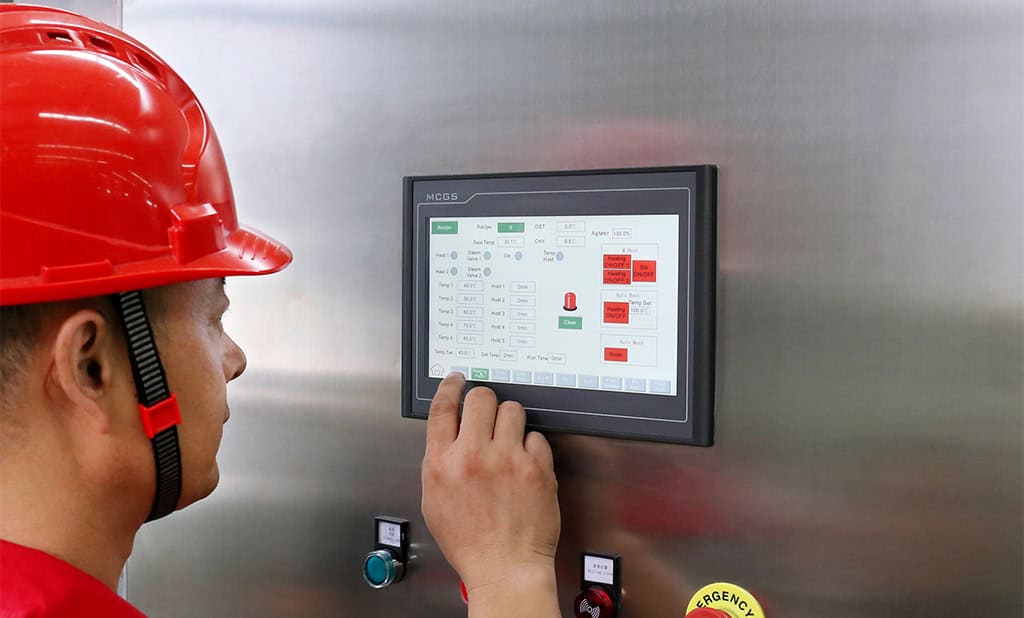
Maintain optimal fermentation temperature through heating or cooling as needed.
pH Meters
Monitor acidity levels throughout fermentation to ensure proper development.
Bottling Equipment
Automatic or semi-automatic fillers, cappers, and labelers for efficient packaging.
Cooling Systems
Plate heat exchangers or chillers for rapid cooling after pasteurization.
CIP System
Clean-in-place system for efficient sanitation of tanks and piping.
Quality Control Parameters
Successful kombucha production requires monitoring several key parameters:
- ✅ pH Level: Maintain between 2.5-3.5 to prevent contamination
- ✅ Brix: Measure sugar content before and during fermentation
- ✅ Temperature: Control within optimal ranges for each process stage
- ✅ Alcohol Content: Monitor to remain below 0.5% for non-alcoholic classification
- ✅ Carbonation: Achieve consistent CO₂ levels for desired mouthfeel