Starting your own brewery is a dream for many craft beer enthusiasts, but turning that dream into a successful reality requires meticulous planning and informed decision-making. This guide will walk you through the critical factors to consider, helping you build a solid foundation for your brewing business.
1. Defining Your Brewery Concept: Type, Scale, and Vision
The first step is to define what kind of brewery you want to build. This decision will influence almost every other choice you make.
- Brewpub / Taproom: Focuses on on-site sales. You brew primarily to serve beer directly to customers in your own hospitality space, often accompanied by food. Ideal for creating a community hub.
~ Production Focus: Lower volume, high variety of beers.
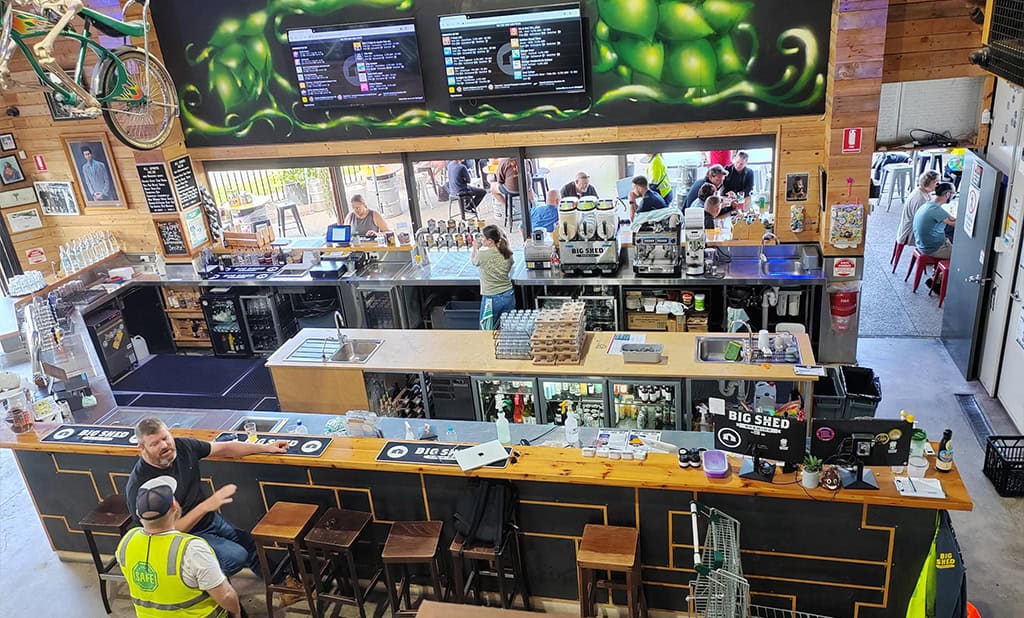
- Microbrewery: Can include a tasting room but has a stronger emphasis on off-site sales through distributors, retailers, and other bars.
~ Production Focus: Medium volume, with a core lineup of beers.

- Production Brewery: Designed for large-scale distribution. The goal is high-volume production with packaging for wide regional or national sales.
~ Production Focus: High volume, focused on efficiency and consistency of flagship beers.

2. Capacity Planning: How Much Should You Brew?
Your target capacity is crucial for equipment selection and financial planning.
- For Brewpubs: Estimate based on expected foot traffic. How many customers can you serve per day? A common starting point is a 3-5 BBL (brewers barrel; 1 BBL ≈ 117 liters) system, capable of producing enough beer for a busy taproom while allowing for recipe experimentation.
- For Microbreweries: Plan based on sales forecasts with distributors and retailers. A 10-30 BBL system is a typical starting range. Consider future expansion—can your location and equipment handle increased demand?
- Key Question: Do you start small to minimize risk or invest in larger equipment to accommodate anticipated growth and avoid costly upgrades later?
3. Business Model & Packaging
How will you get your beer to the consumer?
- Sales Model: On-site (taproom, growlers, crowlers), Off-site (wholesale to distributors), or a hybrid model.
- Packaging Type: Each option has different cost and logistical implications.
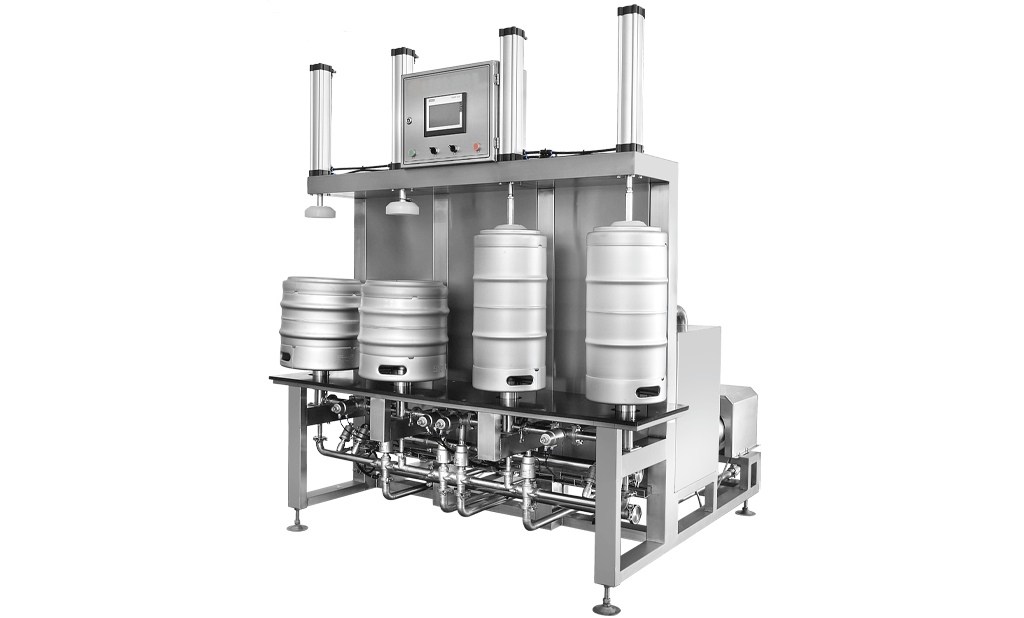
~ Kegs: Essential for bars and restaurants. Low packaging cost, but require handling and deposit management.
~ Cans: Popular with retailers and consumers for their portability and protection from light. Higher initial investment in canning line equipment.
~ Bottles: Traditional but declining in popularity for craft beer. Still preferred for certain styles (e.g., bottle-conditioned beers).
4. Location, Space, and Local Policy
- Location Selection: Zoning laws are critical. Is the property zoned for industrial manufacturing (brewery) and/or commercial hospitality (taproom)? Ensure you have adequate access to utilities: high-quality water is essential, along with sufficient drainage, electrical power, and gas supply.
- Local Regulations: Navigate a complex web of federal, state, and local permits and licenses (health, safety, alcohol production, and sales). Understand environmental regulations for dealing with spent grain and wastewater.
5. Equipment Sourcing, Import, and Support
This is one of the most significant investments and challenges.
- Equipment Sourcing: Choosing between new (reliability, warranty) and used (lower cost, potential risks) equipment. The design and quality of your brewhouse, fermenters, and BBTs determine your beer’s quality and consistency.
- Import Process: If sourcing internationally, factor in shipping logistics, customs clearance, import duties, and taxes. These can add significant cost and time to your project.
- Installation & After-Sales Service: Professional installation is non-negotiable for safety and performance. Reliable after-sales support for maintenance, spare parts, and troubleshooting is vital to avoid costly downtime.
Your Dream, Our Solution: The SDET One-Stop Turnkey Service
Navigating these complexities alone is daunting. At SDET, we eliminate the hurdles by providing a complete, worry-free solution from the ground up. We are more than an equipment manufacturer; we are your strategic partner in brewing.
We handle every detail, so you can focus on crafting great beer and building your brand:
- Technical Consultation: We start by understanding your vision, market, and goals to advise on the optimal brewery type, size, and layout.
- Custom Design & Planning: Our engineers create detailed facility and equipment plans tailored to your specific space and production needs.
- High-Quality Manufacturing: We build durable, efficient, and precise brewing systems to the highest international standards.
- Global Logistics & Shipping: We manage the entire export process, including professional packaging, documentation, and shipping, guiding you through import procedures.
- Professional Installation & Commissioning: Our expert technicians travel to your site to install, calibrate, and test every component, ensuring your brewery runs perfectly from day one.
- Comprehensive Training: We provide hands-on training for you and your team on operating the equipment, sanitation, and basic maintenance.
With SDET, you gain a single point of contact and responsibility. We ensure your project is completed on time, on budget, and to the highest quality standard.
[Contact SDET Today] for a free consultation. Let’s discuss your project and how our end-to-end solution can make your brewery dream a profitable reality.