
In commercial brewing, equipment selection plays a crucial role in determining beer quality, production efficiency, and scalability. Two essential options in the mashing stage—the lauter tun and the mash filter—play the same role of separating wort from spent grains, but they do so through very different methods, each offering unique benefits for brewery operations.
Lauter Tun:

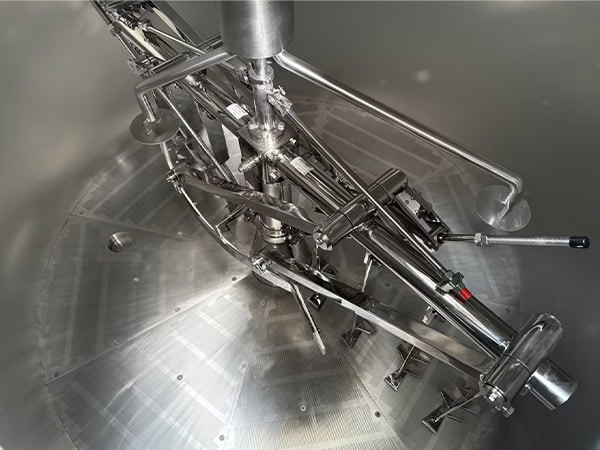
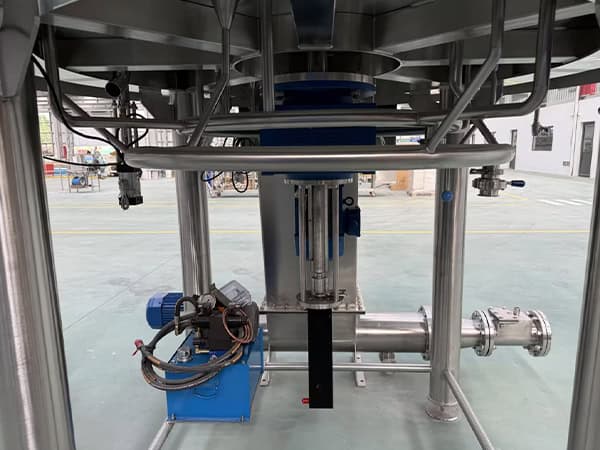
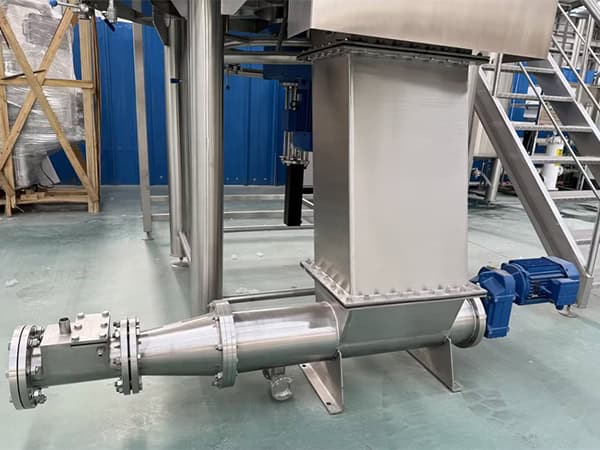
Mash Filter:

Mash Lauter Tun vs. Mash Filter
| Feature | Lauter Tun | Mash Filter |
| Function: | Combines mash tun in one vessel; grains are separated from wort via false bottom. | Uses plates and membranes to filter wort from mash; similar to a filter press. |
| Efficiency: | Wort extraction efficiency is moderate (typically ~90–92%). | Higher wort extraction efficiency (up to 98%+). |
| Grain Bed: | Acts as natural filter during lautering. | No grain bed; mechanical separation. |
| Suitable for: | Traditional craft breweries and small-to-medium scale operations. | Large-scale or high-efficiency breweries (especially in Europe and Asia). |
| Grain Use: | Works well with all-malt recipes. | Handles adjuncts and high proportions of non-barley grains better. |
| Processing Time: | Typically longer lautering time. | Faster wort separation, shorter brewing time. |
| Complexity: | Simple design, easy to operate and maintain. | More complex setup and operation. |
| Capital Cost: | Lower initial investment. | Higher equipment cost but potentially better long-term efficiency. |
Choosing the Right Equipment
Deciding between a lauter tun and a mash filter requires careful consideration of your brewery’s production goals, operational scale, and budget. The lauter tun represents a traditional, versatile solution ideal for brewers who value hands-on control and recipe flexibility. In contrast, the mash filter delivers high efficiency and rapid throughput—making it especially attractive for large-scale, high-output breweries.
For operations emphasizing recipe variety and process control, the lauter tun remains a dependable and adaptable choice. On the other hand, breweries focused on maximizing efficiency and yield may benefit from the technological advantages and time savings of a mash filter.
Ultimately, your equipment choice should reflect your brewery’s specific needs and vision. Whether embracing traditional craftsmanship or modern innovation, both systems contribute to the brewing excellence that defines outstanding beer.


