
Dreaming of opening your own craft brewpub? Transitioning from a homebrewer to a commercial brewer comes with many challenges, none greater than understanding and investing in the right production equipment. Written from the perspective of a professional brewery equipment manufacturer, this article breaks down the core equipment required for commercial brewing and explains how to choose the ideal system based on your production capacity planning.
Core Equipment Systems:
A complete craft beer production system consists of seven core functional modules:
Part 1: Milling System
The milling system includes the malt miller, conveyors, and related accessories. The purpose of milling is to crack open the malt husk and expose the starch granules inside. This ensures that during the mashing process, the grist achieves optimal contact with hot water and enzymes, allowing starch to be efficiently converted into fermentable sugars.
If the milling is insufficient, the extract yield will drop significantly, resulting in a waste of raw malt materials. The rule of thumb for milling is to “crack the grain, keep the husk intact.” Intact husks form a natural filter bed (lauter tun cake) during the subsequent lautering process. For a brewpub environment, a two-roller mill with an adjustable gap is the most practical and cost-effective option.

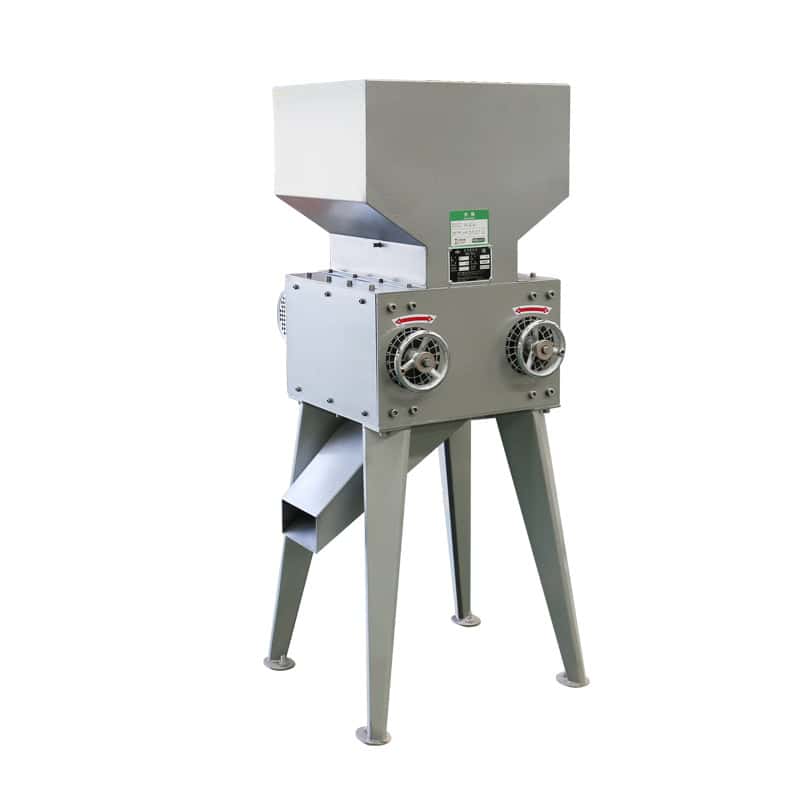
Stainless Steel Malt Mill
Carbon Steel Malt Mill
Part 2: Brewhouse System
The brewhouse is the “heart and starting point” of the entire brewing system. It dictates wort quality, production throughput, and how smoothly the subsequent cellar operations will run.
Basic Components:
Mash Tun: Where the milled malt is mixed with hot water for the mashing process, converting starches into fermentable sugars.
Lauter Tun: Used to separate the liquid wort from the spent grains.
Kettle: Used to boil the wort, add hops, sterilize the liquid, and lock in the flavor profile.
Whirlpool Tun: Used post-boil to separate hot trub and hop residue through centrifugal force, delivering a clearer wort.
These vessels can be configured in various combinations. The best brewhouse configuration for your space is driven by production targets, brewing frequency, budget, and future expansion plans, rather than just “single-batch capacity.”
Brewhouse Configuration Guide Based on Turnaround:
| Daily Throughput | Recommended Configuration |
| 1 batch per day | 2-Vessel Brewhouse |
| 1–2 batches per day | 3-Vessel Brewhouse |
| 2–3 batches per day | 4-Vessel Brewhouse |
When configuring your brewhouse, production cadence is key. If your current venue has footprint constraints, limited staff, and you are not in a rush to push multiple turns back-to-back, a 2-vessel brewhouse is the most rational choice. It features a compact footprint, simpler piping, and is easy for new brewers to operate. However, if you plan to maximize throughput by brewing multiple batches a day from the start, a more complex multi-vessel combination should be considered.

Part 3: Fermentation & Maturation System
Fermentation Tanks (Unitanks/Fermenters): Used to ferment the wort into beer via yeast activity and complete the primary fermentation phase.
Fermentation Tanks (Unitanks/Fermenters): Used to ferment the wort into beer via yeast activity and complete the primary fermentation phase.
Brite Beer Tanks (BBTs): Used after fermentation for beer clarification, stabilization, carbonation, and as a buffer tank prior to kegging, bottling, or direct serving.


Fermentation Tank
Brite Beer Tank
The number and size of fermenters you need depend on your target annual capacity, fermentation cycles (beer styles), single-tank effective volume, and production scheduling.
Part 4: Water Supply System
The hot water tank (HWT) and its supporting heating system form the foundational utility unit of a brewery, engineered to provide a continuous and stable supply of hot water.
During the brewing process, the hot water system covers three critical needs:
Mash Water: Providing water at precise temperatures and volumes for mashing.
Sparge Water: Supplying hot water at optimal temperatures during the lautering stage to rinse sugars from the grain bed.
CIP Cleaning: High-standard hygiene requires reliable hot water for rinsing equipment and piping.
A properly sized HWT balances the simultaneous demands of mashing, sparging, and cleaning, boosting overall brewhouse efficiency. A classic, highly efficient industry standard is sizing the Hot Water Tank at 2x the volume of the brewhouse system.

Part 5: Cooling System (Glycol System)
The cooling system is critical for thermal control across several stages:
Wort Cooling: Rapidly knocking down high-temperature wort to yeast pitch temperature via a plate heat exchanger post-whirlpool.
Fermentation Temperature Control: Precision cooling via glycol jackets on the fermenters to manage temperature profiles during different fermentation stages.
Cold Storage & Maturation: Providing stable, low-temperature environments during the lagering and cold-crashing phases, aiding clarification and flavor stability.


Glycol Water Tank
Chiller
Part 6: Control System
The control system is the brain of modern brewing equipment, responsible for monitoring, regulating, and coordinating the entire process. It ensures batch-to-batch consistency, process repeatability, and operational efficiency.
Standard configurations feature reliable manual/semi-automated control for pump operation, temperature readouts, and motor control. As production scales up, recipes become more complex, or specific client needs arise, the control system can be upgraded to full automation (PLC/SCADA architectures).
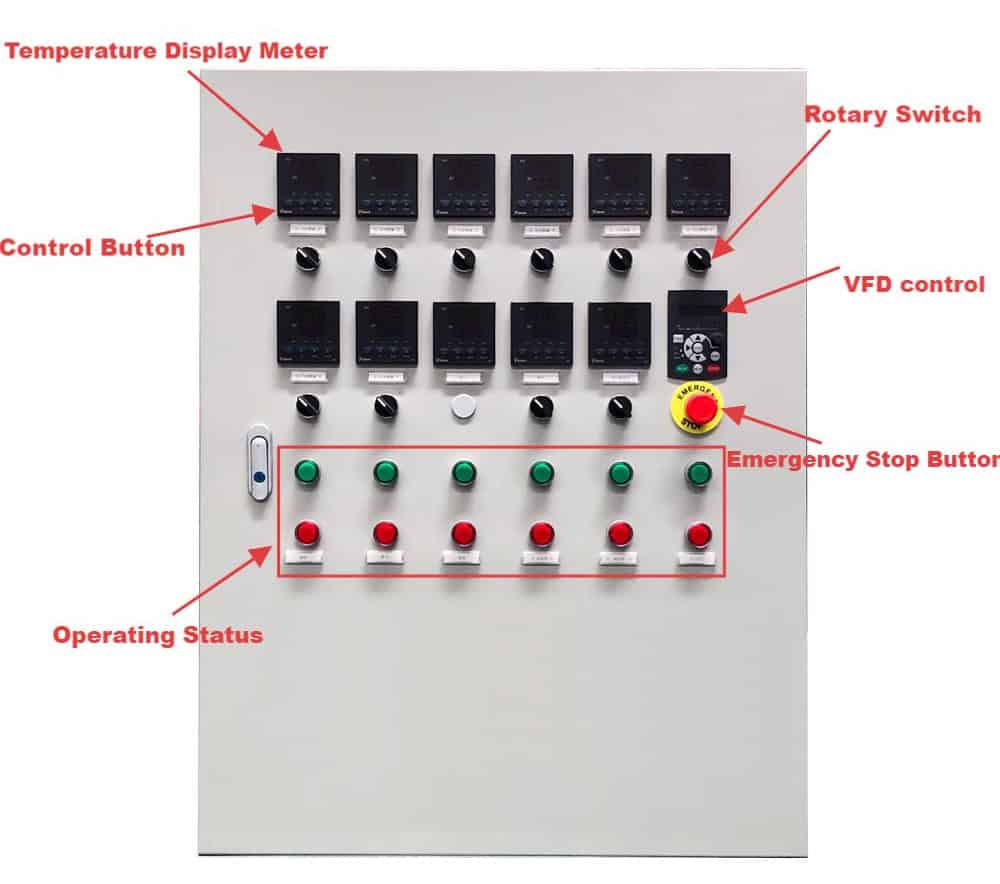

PID
PLC
Part 7: CIP System
The CIP system is an indispensable safeguard in commercial brewing, designed for the automated cleaning and sanitization of brewhouses, fermenters, cellar piping, heat exchangers, and packaging lines without dismantling the hardware.
Through customized cleaning cycles, the CIP system executes sequences including pre-rinsing, caustic wash (alkaline), acid wash, hot water or sanitizer flush, and final rinsing. This effectively removes organic residues like protein, sugars, yeast, and beer stone from vessel walls, preventing microbial contamination and ensuring consistent beer quality and safety.

Part 8: Conclusion
Investing in craft brewing equipment is a major milestone—it is the bridge that turns your brewing passion into a sustainable business. Choosing the right machinery is not just about hit numbers; it is about long-term mechanical reliability, process repeatability, and finished product quality.
At SDET, we consistently prioritize equipment quality and process reliability. From raw material selection, manufacturing techniques, welding, and polishing standards to complete system integration and pressure testing, we strictly adhere to proven brewing science and international compliance standards. By delivering stable performance, engineered system balance, and scalable solutions, we are committed to providing reliable, durable, and commercially viable brewing systems that help your brewery achieve consistent yield and sustainable growth.


